
Camera Company
Company
Shop By Category
T&Cs
Shop Online
  • The maker's specifications on every page
  • Free tracked NZ-wide delivery over $175
  • 14-day returns

Full Frame Sensor Cleaning Kit | Camera sensor swabs | Sensor cleaner for dslr

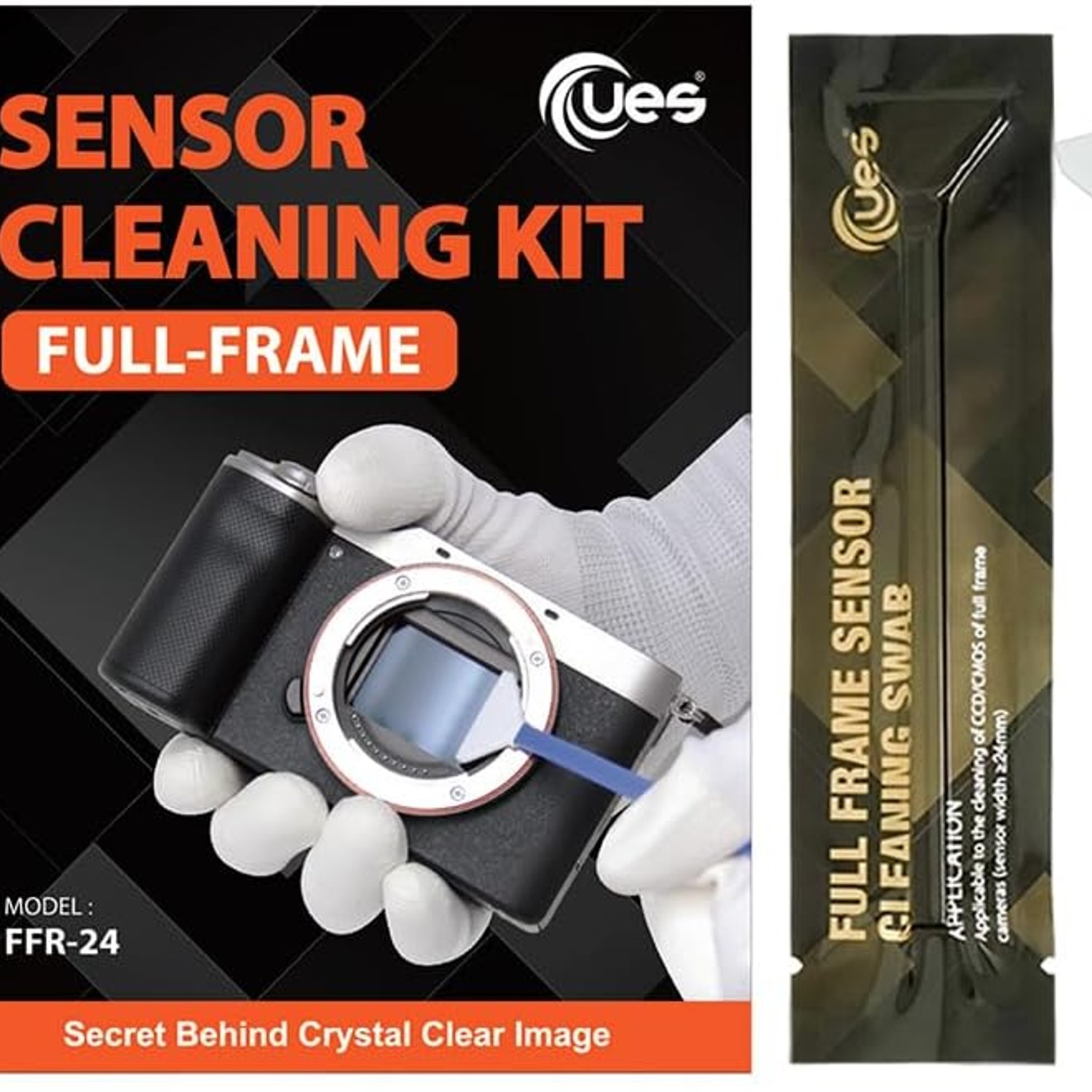
UES FFR24 Full Frame Sensor Cleaning Kit (14 Swabs + 15ml Solution)

$56.99 $67.99 Save $11
  • Fourteen Sealed Swabs
  • True 24mm Width
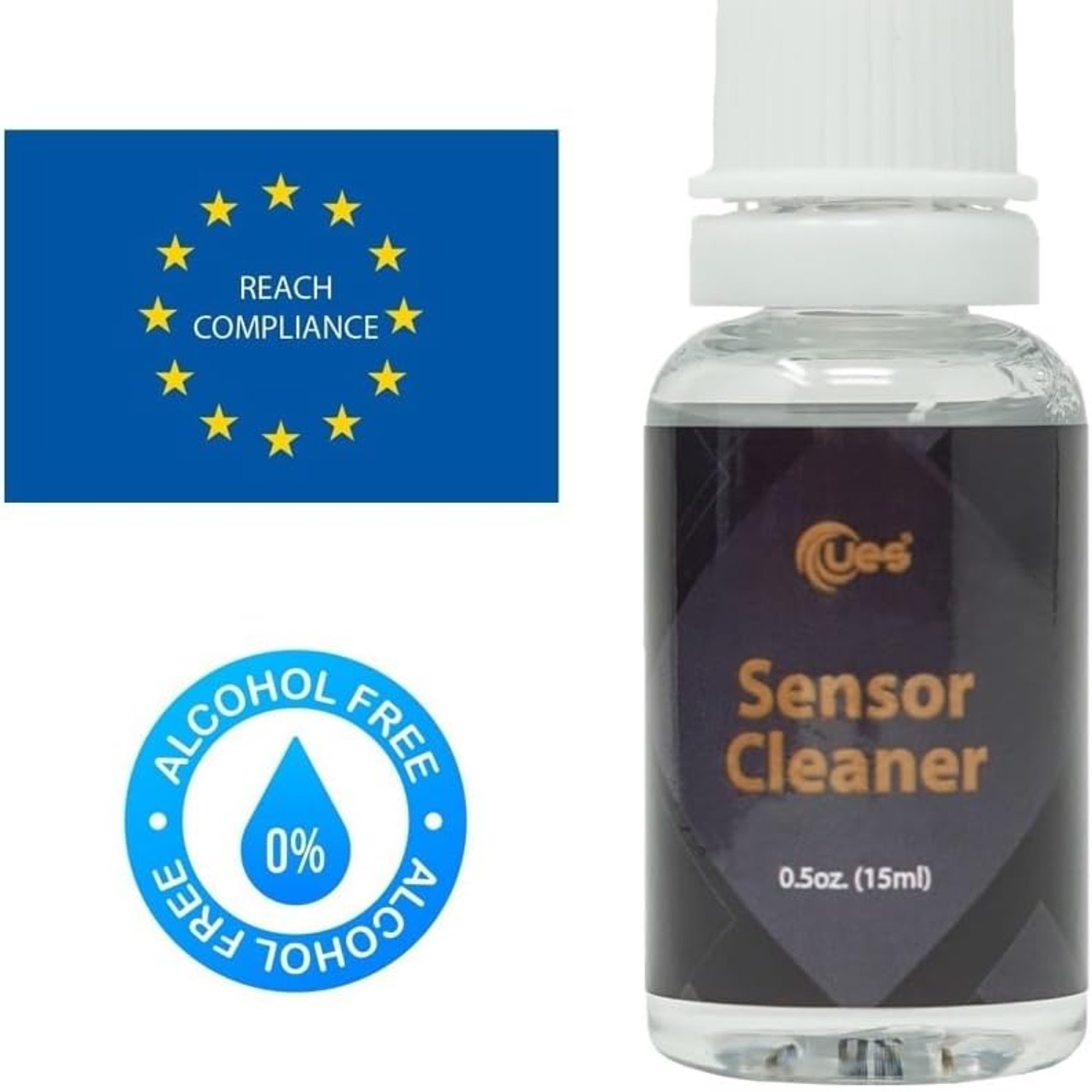
  • Alcohol-Free Solution
  • Two-Pass Method

Price: $56.99 $67.99

  • Free tracked NZ-wide delivery on orders $175+, otherwise a flat $20
  • Pay by card or PayPal, handled by the payment provider
  • 14 days to change your mind, plus your statutory rights
Product specifications
BrandUES
Model NumberFFR-24
Model NameFFR24
Set NameFFR24 Professional
Item TypeCMOS / CCD sensor cleaning kit
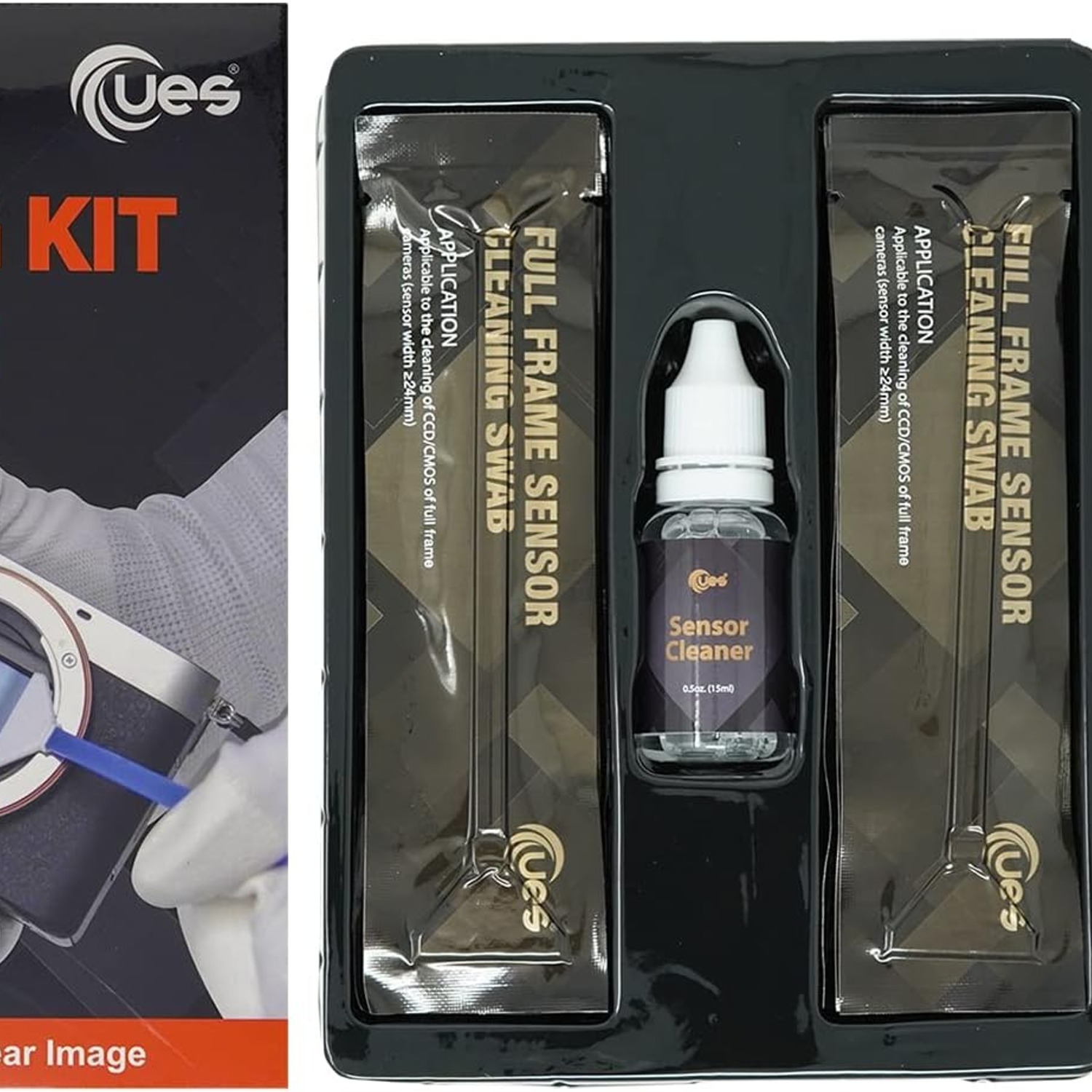
Contents14 full-frame 24mm sensor cleaning swabs and 15ml sensor cleaner
Swab Width24 mm
Liquid Volume15 ml
Compatible DevicesSony, Nikon, Canon and other full-frame cameras
ColourBlue / white
MaterialFabric
Number Of Packs1
Item Weight3.5 oz (approx. 0.1 kg)
Water ResistanceNot water resistant
Country Of OriginChina
Weight0.1 kg
Shipping & returns

Tracked delivery anywhere in New Zealand. It is free on orders of $175 or more, and a flat $20 below that.

If it is not right for you, send it back within 14 days of delivery in resaleable condition and we refund the price you paid, including standard delivery. That is a voluntary policy we offer on top of your legal rights. You cover the cost of returning it unless the item is faulty.

If it arrives faulty, damaged or not as described, we put it right at no cost to you under the Consumer Guarantees Act 1993 and the Fair Trading Act 1986, return postage included.

Shipping details · Refunds and returns

Fourteen Sealed SwabsEach 24mm swab is vacuum sealed on its own so it stays lint free until you open it.
True 24mm WidthThe head matches a full-frame sensor, so one pass covers edge to edge.
Alcohol-Free SolutionA 15ml bottle of gentle cleaner designed for CMOS and CCD surfaces.
Two-Pass MethodWipe across, flip the swab, wipe back. That is the whole technique.

Clear those stubborn dust spots yourself with a full frame sensor cleaning kit built for 24mm sensors.

Fourteen individually sealed 24mm microfiber swabs and a 15ml alcohol-free solution let you wipe a full-frame CMOS or CCD sensor in two clean passes, with no lint and no guesswork.

This full frame sensor cleaning kit gives you fourteen 24mm swabs and a 15ml bottle of alcohol-free cleaning solution in one box.

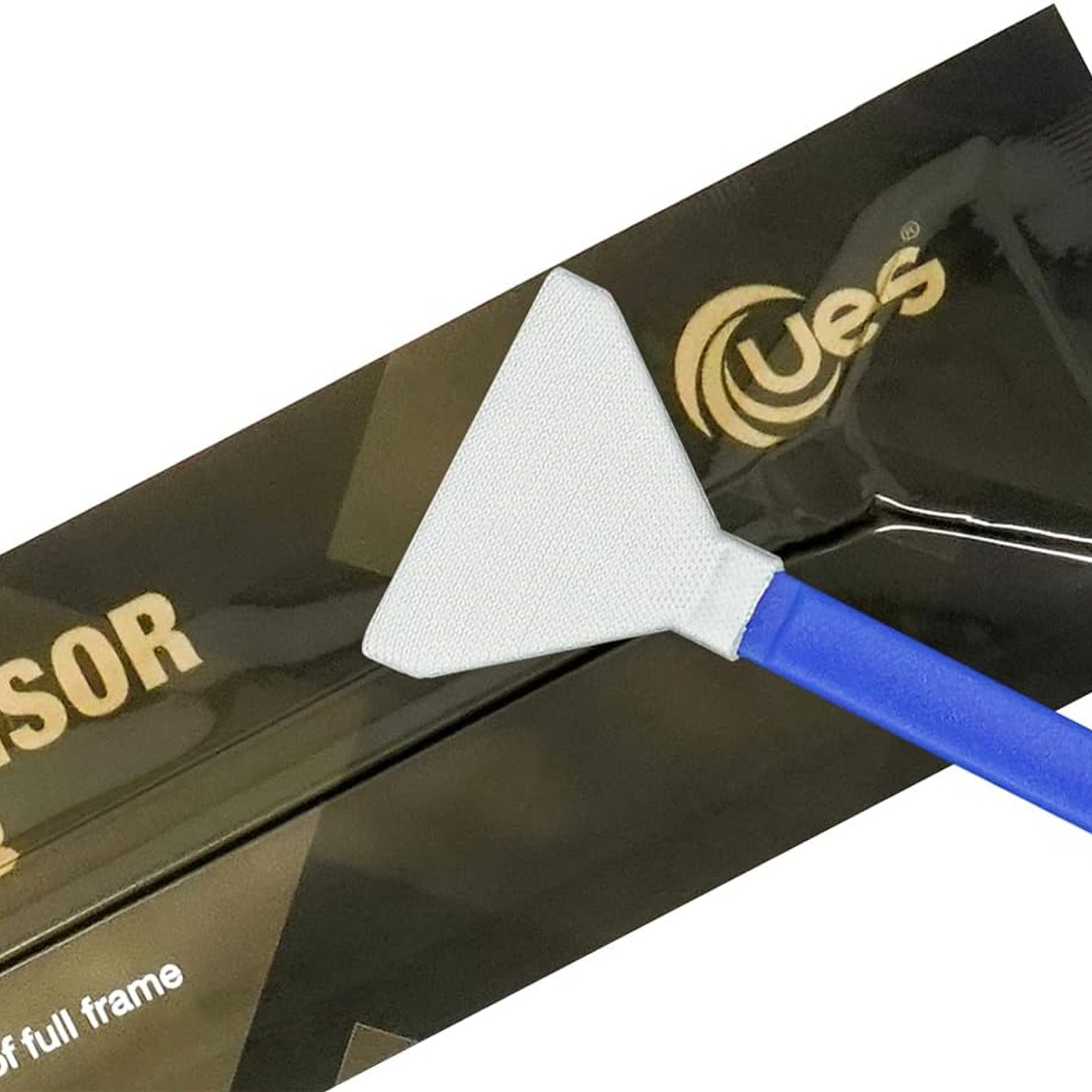
The 24mm swab head is sized to match a full-frame sensor, so a single steady pass covers the whole surface without doubling back over the same dust.

Every swab arrives individually sealed, which keeps airborne lint and fibres off the microfiber tip before it ever touches your camera.

The flexible handle spreads pressure evenly across the swab, helping you avoid the hard spots that cause streaking.

It works with Sony, Nikon, Canon and other full-frame bodies with CMOS or CCD sensors, including both DSLR and mirrorless cameras.

UES FFR24 Full Frame Sensor Cleaning Kit (14 Swabs + 15ml Solution)

Dust on a camera sensor is one of those problems that creeps up on you. You change lenses on a windy headland, shoot a few hundred frames, and then at f/16 you start seeing soft grey blobs in the sky that were not there last month. Blower bulbs shift the loose particles, but the sticky ones stay put. That is where a wet swab comes in, and this kit is built around that one job.

UES FFR24 Full Frame Sensor Cleaning Kit (14 Swabs + 15ml Solution)

Inside the box are fourteen swabs with a 24mm head, which is the width made for a full-frame sensor. That measurement matters more than people expect. A swab that is too narrow forces you to make several overlapping passes, and every extra pass is another chance to drag a particle sideways. A 24mm head crosses the sensor in one motion, so you wipe, flip, wipe back, and you are done.

UES FFR24 Full Frame Sensor Cleaning Kit (14 Swabs + 15ml Solution)

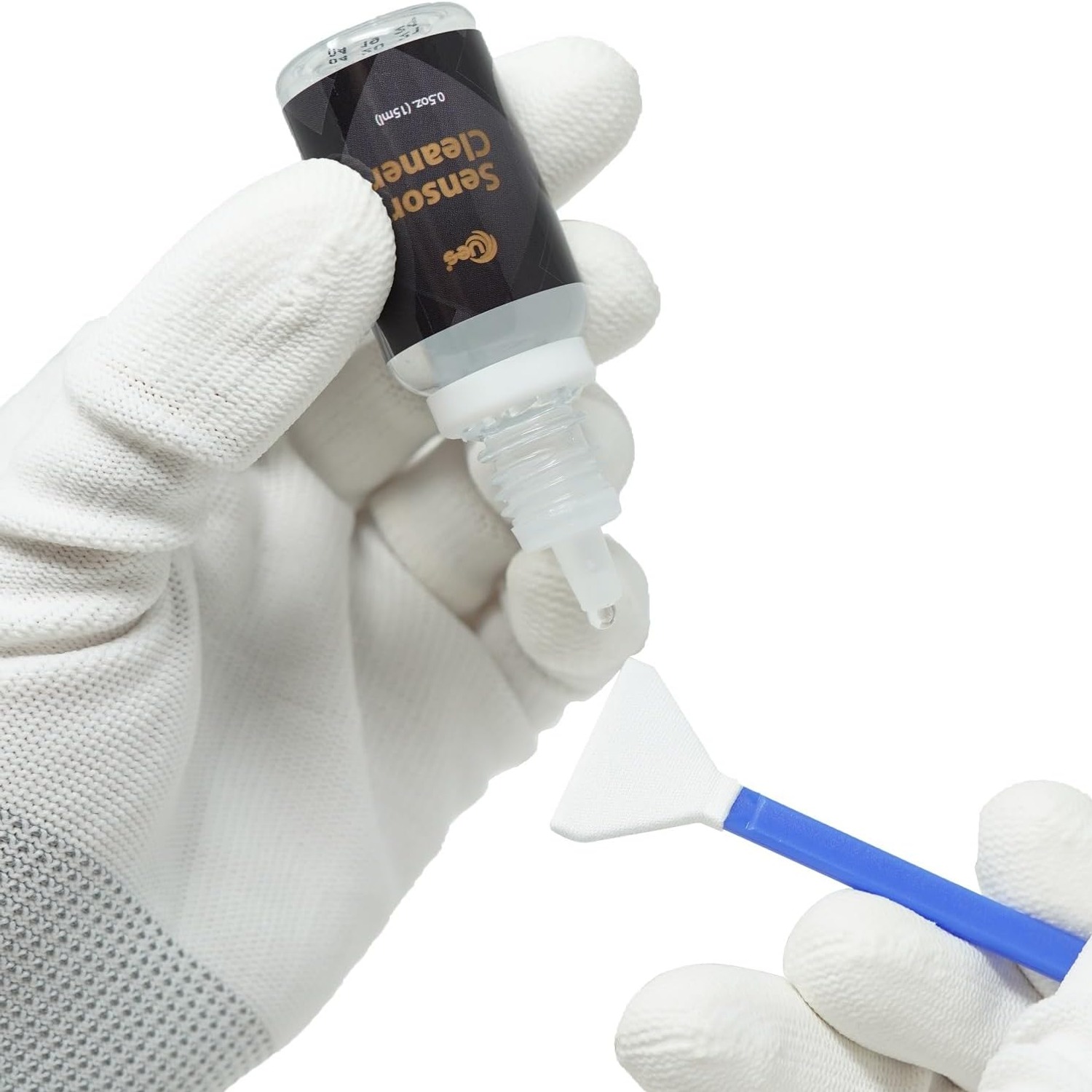
The 15ml bottle holds an alcohol-free cleaning solution. You put a single drop near the edge of the swab, not a puddle, and let it do the work. Alcohol-free formulas are a common choice for sensor stacks because they evaporate in a controlled way and are gentler on coated surfaces. UES has been making these kits for over a decade, so the formula and swab pairing is a known quantity rather than a guess.

UES FFR24 Full Frame Sensor Cleaning Kit (14 Swabs + 15ml Solution)

Each swab is sealed in its own packet. That packaging is doing real work. Loose swabs sitting in a shared bag pick up fibres from the bag itself, and a single stray fibre on the sensor is just as annoying as the dust you came to remove. Open one packet, use that swab once, throw it out. Fourteen swabs is enough for roughly seven full cleans if you use two per session, which for most people is a year or two of normal shooting.

UES FFR24 Full Frame Sensor Cleaning Kit (14 Swabs + 15ml Solution)

The kit suits DSLR and mirrorless bodies from Sony, Nikon, Canon and other brands that use a full-frame CMOS or CCD sensor. If you run a studio, manage a rental fleet, or just travel with your camera and change lenses outdoors, having a sealed kit in the bag means you can fix a dust problem the same day instead of posting your camera off and waiting.

Not sure yet? That is fine.

A camera has to suit the job you bought it for, and you cannot always judge that from a photograph. If it is not right for you, send it back within 14 days of delivery in resaleable condition and we refund the price you paid, including standard delivery. That is a voluntary policy we offer on top of your legal rights.

If it turns up faulty, damaged or not as described, that is on us. The Consumer Guarantees Act 1993 and the Fair Trading Act 1986 covers you, and we pay the return postage. Read the full detail on our refunds and returns page, or ask us anything before you order.

Frequently Asked Questions

What exactly comes in the box?

You get 14 full-frame sensor cleaning swabs with a 24mm head and one 15ml bottle of cleaning solution. Each swab is sealed in its own packet. That is the complete contents listed for this kit.

Why is the swab 24mm wide?

A full-frame sensor is roughly 24mm tall, so a 24mm swab head spans it in one motion. That means you do not need to make several overlapping passes, which reduces the chance of dragging a particle across the glass.

Will this fit an APS-C or crop sensor camera?

This kit is made for full-frame sensors. A 24mm swab is wider than a crop sensor opening and will not sit flat inside the smaller chamber, so look for a narrower swab if you shoot APS-C or Micro Four Thirds.

Does it work on mirrorless cameras as well as DSLRs?

Yes. The listing states compatibility with DSLR and mirrorless cameras using CMOS or CCD sensors. Mirrorless bodies are often easier to clean because the sensor sits closer to the mount with no mirror in the way.

Which camera brands is it compatible with?

The kit is listed as compatible with Sony, Nikon, Canon and other full-frame cameras. The key factor is sensor size rather than brand, so any full-frame body with a standard sensor chamber should be fine.

Is the cleaning solution alcohol-based?

No, the 15ml solution is alcohol-free. Alcohol-free formulas are often preferred for sensor work because they evaporate in a controlled way without leaving aggressive residue.

How much solution should I put on each swab?

One drop near the edge of the swab head is the recommended amount. Too much liquid will pool and leave streaks, and too little will drag dry across the surface. One drop is the standard starting point.

How do I actually use the swab?

Open one end of the packet, take out the swab, add a drop of cleaner to the edge of the head, then sweep from one side of the sensor to the other in a single steady motion. Turn the swab over and sweep back the other way. Then discard it.

Can I reuse a swab?

No. Once a swab has picked up dust and grit, running it back over the sensor risks scratching. Each of the 14 swabs is meant to be used once and thrown away, which is why they come individually sealed.

How many cleaning sessions will 14 swabs give me?

Most people use one or two swabs per session, so the kit covers roughly seven to fourteen cleans. For a hobbyist shooting a few times a month, that is often more than a year of use.

Why are the swabs sealed separately?

Loose swabs stored together pick up lint and stray fibres from the packaging and from the air. Individual vacuum sealing keeps the microfiber tip clean until the moment you open it, which is half the battle in sensor cleaning.

Will it scratch my sensor?

Used correctly, a soft microfiber swab with the right amount of fluid is one of the standard ways photographers clean sensors. The flexible handle spreads pressure evenly so you are not pressing hard in one spot. Always blow off loose grit first.

Should I use a blower before the swab?

Yes, that is good practice. A rocket blower removes loose particles so the swab is not dragging hard grit across the glass. The wet swab is for the sticky residue that air alone will not shift.

Is this safe for in-body image stabilisation systems?

The maker states the formula is suitable for cameras with IBIS, and the flexible handle is designed to apply gentle even pressure. Work slowly and avoid pressing down, since a stabilised sensor sits on a floating mount.

Am I cleaning the actual sensor?

You are cleaning the filter stack that sits directly over the sensor, which is what every sensor cleaning product touches. The silicon itself is sealed underneath. That is why the process is safer than it sounds.

How do I know when my sensor needs cleaning?

Shoot a plain white wall or clear sky at the smallest aperture your lens allows, around f/16 to f/22, slightly out of focus. Dust shows as dark soft spots in the same position on every frame. If you see several, it is time.

Can I do this at home or should I go to a shop?

Plenty of photographers clean at home, and this kit is designed for that. Work in a still room away from drafts, make sure your battery is charged, and lock the mirror or open the shutter using your camera's cleaning mode first.

What if there are still spots after one swab?

Take a second test shot. If a stubborn mark remains, use a fresh swab with one drop of solution rather than repeating with the used one. Most sessions are finished within two swabs.

Does the kit include a blower or brush?

No. The contents are 14 swabs and one 15ml bottle of solution. If you want a blower, a loupe or a sensor light, those are separate items.

What is the item weight?

The kit is listed at 3.5 ounces, which is about 0.1 kg. It is light enough to leave permanently in a camera bag pocket without noticing it.

What colour is the kit?

The swabs and packaging are listed as blue and white. The swab material is listed as fabric.

Can I take the solution on a plane?

The bottle is 15ml, which is well under the usual 100ml limit for liquids in cabin baggage. Carry it in your clear liquids bag and check the rules for your airline and route before you fly.

How should I store the kit between uses?

Keep the sealed swab packets and the bottle in a cool dry spot out of direct sunlight, with the cap screwed on firmly. Sealed packets stay usable for a long time as long as they are not punctured.

Does the solution expire?

The maker does not state expiry date. Keep the bottle closed so the liquid does not evaporate, and if the fluid ever looks cloudy or contaminated, replace it rather than putting it on a sensor.

Is this suitable for someone cleaning a sensor for the first time?

It is a reasonable first kit because the swab width matches the sensor and the technique is just two passes. Watch a short tutorial for your camera model first so you know how to lock the shutter open safely.

Can I use it on my lens front element too?

It is designed for sensor work. Lens glass is better handled with a dedicated lens cloth or lens tissue, partly because lens surfaces are much larger and partly because a 24mm swab is an expensive way to clean a filter.

Would this make a good gift for a photographer?

It is a genuinely useful gift for anyone who changes lenses often, and most photographers never get around to buying one themselves. It packs flat, so it slips neatly into a card-sized gift box or a camera bag as a stocking filler.

Is the kit suitable for a rental fleet or studio?

Yes. Fourteen sealed swabs make it practical for routine checks between hires or shoots, and the sealed packaging means part-used kits stay clean on a shelf. Many studios keep one kit per body.

How is it delivered and how long does it take?

It ships from our fulfilment network with tracking, and delivery timing depends on your country and address. Your confirmation email carries the tracking link once the parcel is scanned.

What if it is not right for my camera?

If the kit does not suit your body or arrives damaged, contact us with your order number and a photo and we will sort out a return or replacement under our returns policy. Unopened swab packets make a return straightforward, so test-fit before you break the seals on more than one.

How To Choose And Use A Full Frame Sensor Cleaning Kit

6 min read Camera Company

The problem nobody warns you about

You buy a full-frame camera. It is sharp, it handles low light beautifully, and for the first few months everything is perfect. Then one afternoon you are editing a landscape shot at f/16 and you notice them. Soft grey smudges in the sky. Four or five of them, always in exactly the same place, frame after frame.

That is sensor dust. It gets in every time you change a lens, and it gets in faster if you swap lenses outdoors, near the sea, or in a car park on a breezy day. Mirrorless bodies are especially prone to it because the sensor sits right behind the mount with nothing in front of it.

The frustrating part is that it is invisible at wide apertures. Shoot at f/2.8 and the dust blurs away. Stop down to f/11 or f/16 for depth of field, which is exactly what you do for landscapes and architecture, and every speck sharpens into a visible blob. So the problem only shows up in the shots you care most about.

What a wet swab actually does

Most people start with a blower bulb, and that is the right first step. A few firm puffs with the sensor facing down will dislodge loose particles and send them out of the chamber. For fresh dust it often works.

What a blower cannot do is remove anything sticky. Oil mist from the shutter mechanism, pollen, salt spray, condensation residue, these all bond lightly to the filter glass over the sensor. Air pushes right past them. You need a solvent and a soft surface to lift them away, and that is a wet swab.

Worth clearing up a common worry: you are not touching the actual silicon sensor. There is a stack of filters bonded over the top of it, usually including an infrared cut filter and a protective cover glass. That stack is what you clean. It is hard, flat glass, and it is more forgiving than the word "sensor" suggests. That said, it is coated glass, so technique still matters.

Why 24mm is the number to look for

Sensor swabs come in different widths, and the width needs to match your sensor height. A full-frame sensor measures roughly 36mm by 24mm. The 24mm dimension is the short side, and that is the direction the swab head spans as you sweep it horizontally across the glass.

Get this right and one pass covers the entire surface. Get it wrong and you are in trouble in two directions. A swab that is too wide will not fit the chamber, or it will catch on the sensor housing and bunch up. A swab that is too narrow forces you to make a pass along the top and another along the bottom, and the overlap zone in the middle is where streaks and dragged particles live.

This kit uses a 24mm head for exactly that reason. If you also own a crop-sensor body, you will want a narrower kit for that camera, usually 16mm. The best camera sensor swabs are the ones sized for the body in your hand, not the ones that were on offer.

The two-pass method

The technique is simple enough to describe in a paragraph, which is part of what makes it approachable for first-timers.

Charge your battery fully. A camera that powers down mid-clean with the shutter open is a bad day. Put the camera into its sensor cleaning or manual cleaning mode, which locks the mirror up and holds the shutter open. Work in a room with no drafts, no fan, and no open window.

Open one swab packet at the end, pull the swab out by its handle, and do not touch the microfiber head with your fingers. Add one drop of the cleaning solution to the edge of the head. One drop. The temptation is always to add more, and more is what causes streaking.

Hold the camera facing you with the sensor roughly vertical. Place the swab flat against one edge of the sensor, apply light steady pressure, and sweep straight across to the other side in a single motion. Do not stop in the middle. At the far edge, lift, flip the swab over to the clean side, and sweep back the other way. Lift off. Done. Throw the swab away.

Then test. Photograph a plain bright surface at your smallest aperture, slightly defocused, and look at the result at full zoom. Usually it is clean. If one stubborn mark survives, use a fresh swab rather than going again with the used one.

Who this kit suits

If you change lenses regularly, you need something like this eventually. There is no version of interchangeable-lens photography where dust stays out forever.

It is worth having if you shoot landscapes, architecture, product work, astrophotography, or anything else that lives at small apertures, because those are the genres where dust is most visible. It is also worth having if you travel, since posting a camera to a service centre from the road is not realistic.

Studios and rental operations get the most obvious value. Fourteen sealed swabs means you can do a quick check and clean between hires without rationing. The best camera maintenance kit for a business is the one that sits on a shelf ready to go rather than the one that has to be ordered in.

If you only own one lens and never take it off, you can skip this for now. Dust still gets in through the lens barrel over years, but at a much slower rate.

Choosing between kits

A few things actually separate one kit from another.

Swab width, as covered, is the first filter. After that, look at whether the swabs are individually sealed. Loose swabs in a shared sleeve pick up fibres from the packaging itself, and a stray fibre on your sensor is just as irritating as the dust you came to remove. Individual sealing is not a marketing detail, it is the difference between a clean result and a frustrating one.

Fluid type matters next. Alcohol-free solutions, like the 15ml bottle here, are a common choice for coated sensor stacks. Some photographers use methanol-based fluids, which evaporate faster but are harsher to handle and more restricted to ship.

Then check swab count against your realistic use. Fourteen is generous for a single-camera owner and reasonable for a two-body setup. Finally, consider the handle. A flexible handle spreads pressure evenly across the head, which is what stops you from pressing hard on one corner and leaving a line.

Looking after the kit

There is not much to it. Keep the sealed packets flat and dry, out of direct sunlight, and away from anything that might puncture the foil. A side pocket in a camera bag works fine.

Keep the solution bottle upright with the cap screwed down tight. The fluid will evaporate slowly if the cap is loose, and a half-empty bottle of concentrated residue is not what you want on a sensor. If the liquid ever looks cloudy or has visible particles, bin it.

Never try to wash and reuse a swab. The whole design assumes a single use, and a laundered microfiber head is both contaminated and no longer flat.

When to call a technician instead

Home cleaning handles the vast majority of cases. There are a couple of times it does not.

If you can see a scratch, a crack, or anything that looks like damage rather than debris, stop and get it looked at. If you have swabbed twice with fresh swabs and a mark has not moved at all, it may be inside the filter stack rather than on top of it, and no amount of swabbing will reach it. And if the camera is brand new and under warranty, check the warranty terms before you open the chamber, since some manufacturers have views on this.

The short version

Dust on a full-frame sensor is normal, it is annoying, and it shows up worst in your most careful shots. A blower handles the loose stuff. For everything that sticks, you need a wet swab sized to your sensor.

This kit gives you fourteen individually sealed 24mm swabs and a 15ml bottle of alcohol-free solution, which covers roughly seven to fourteen cleaning sessions depending on how thorough you are. The method is one drop of fluid, one pass across, flip, one pass back, discard. It works with Sony, Nikon, Canon and other full-frame DSLR and mirrorless bodies with CMOS or CCD sensors.

Keep one in the bag. The first time you spot dust the night before a shoot, you will be glad it is there.

Browse the shop

Ready to clear those dust spots?

Order the FFR24 kit today and keep a sealed set of 24mm swabs in your bag for the next lens change.

Ask us a question

Page summary

The UES FFR24 is a full frame sensor cleaning kit for DSLR and mirrorless cameras with CMOS or CCD sensors. It contains 14 individually sealed 24mm microfiber cleaning swabs and a 15ml bottle of alcohol-free sensor cleaning solution. The 24mm swab width is sized for full-frame sensors so the surface can be cleaned in a single pass, then a return pass with the swab flipped. Model number is FFR-24, colour is blue and white, swab material is listed as fabric, and item weight is about 3.5 ounces (0.1 kg). Compatible with Sony, Nikon, Canon and other full-frame bodies. Country of origin is China. Overall package dimensions are not specified by the maker, and no warranty term is stated.