Camera Company
Company
Shop By Category
T&Cs
Shop Online
  • The maker's specifications on every page
  • Free tracked NZ-wide delivery over $175
  • 14-day returns

Camera Sling Bag 10L | Crossbody camera bag | Everyday shoulder bag for camera

10L Camera Sling Bag

$181.99 $217.99 Save $36
  • 10L Of Space
  • Padded Protection
  • Quick Front Swing
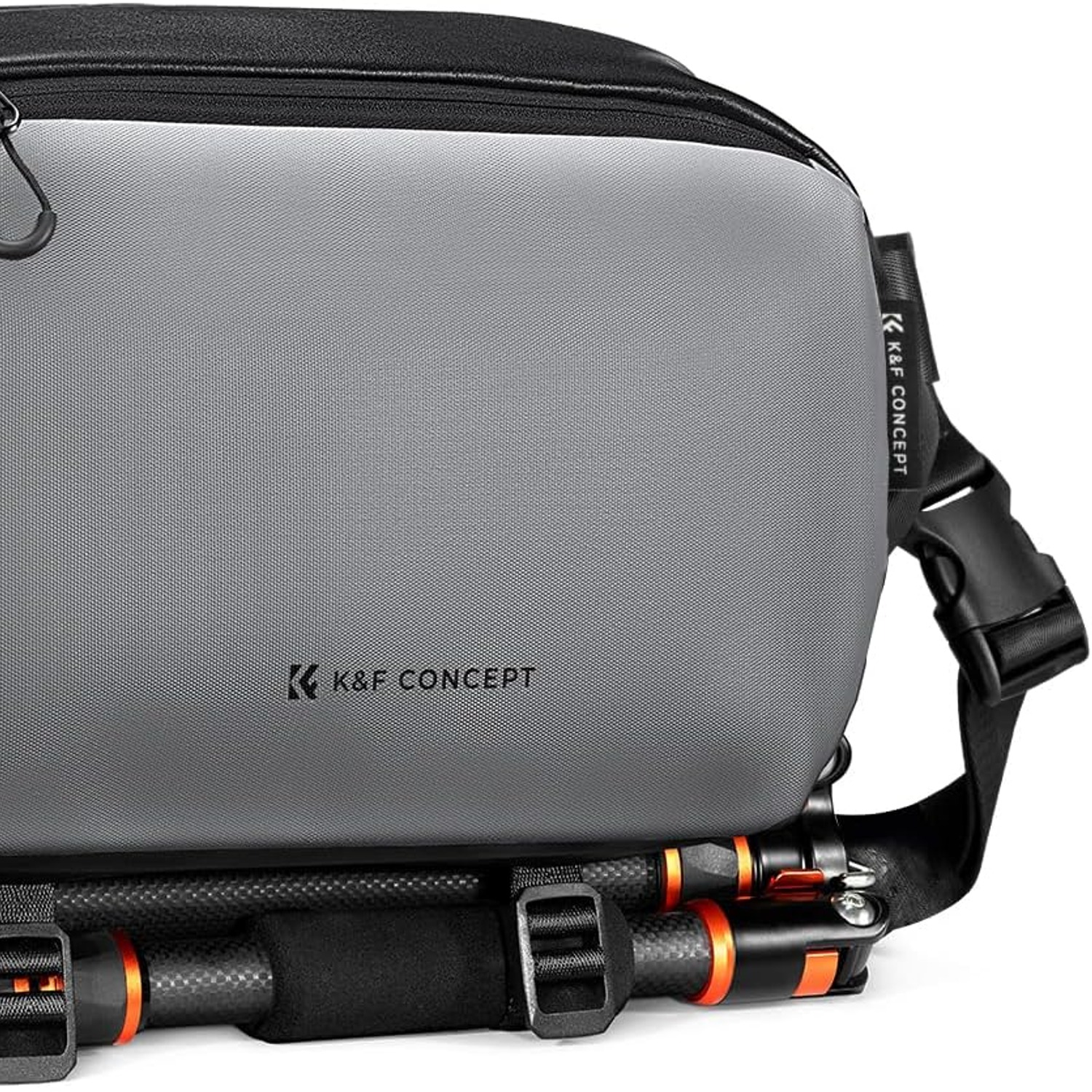
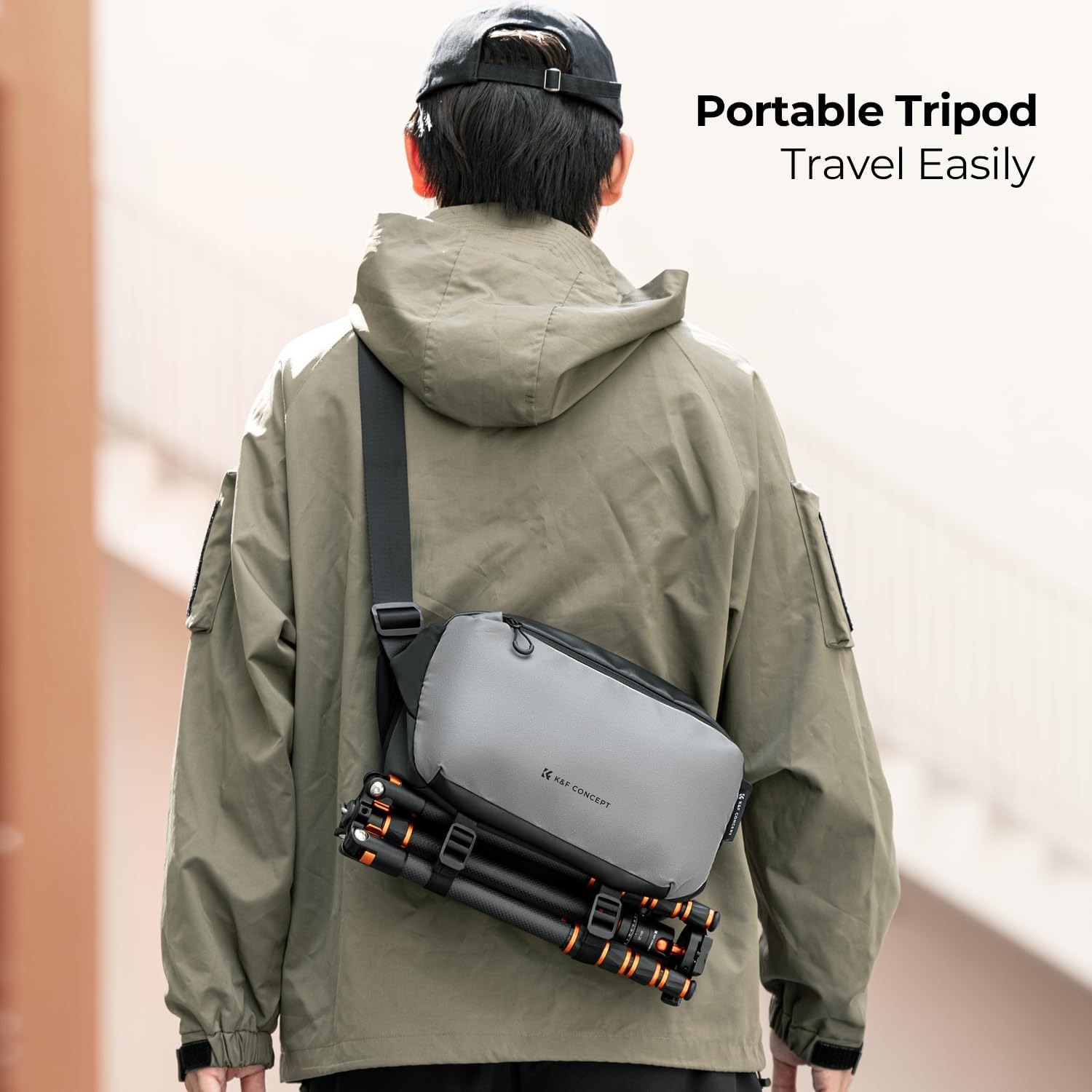
  • Base Carry Straps

Price: $181.99 $217.99

  • Free tracked NZ-wide delivery on orders $175+, otherwise a flat $20
  • Pay by card or PayPal, handled by the payment provider
  • 14 days to change your mind, plus your statutory rights
Product specifications
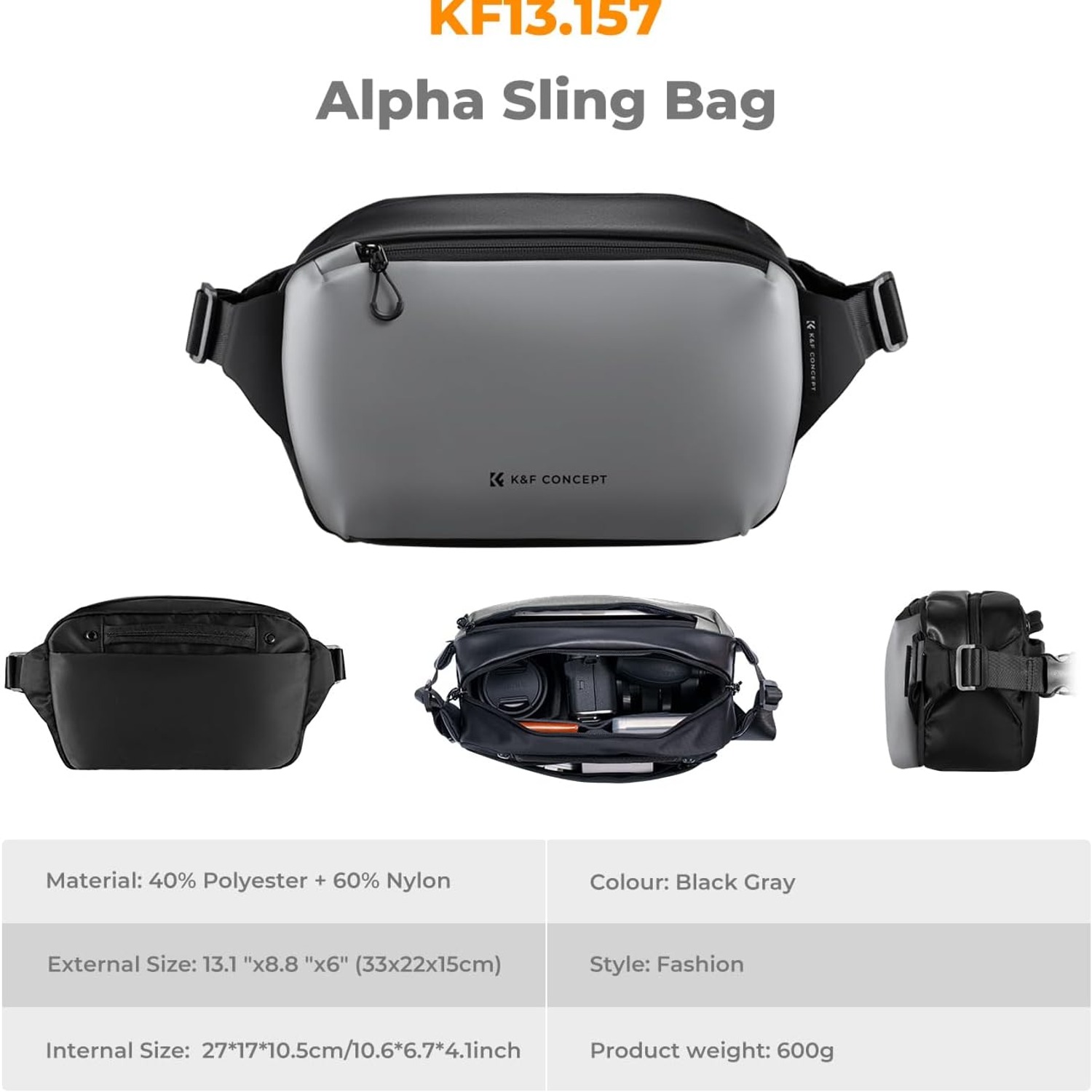
Capacity10 L
Carry StylesSling, crossbody, shoulder, hand carry
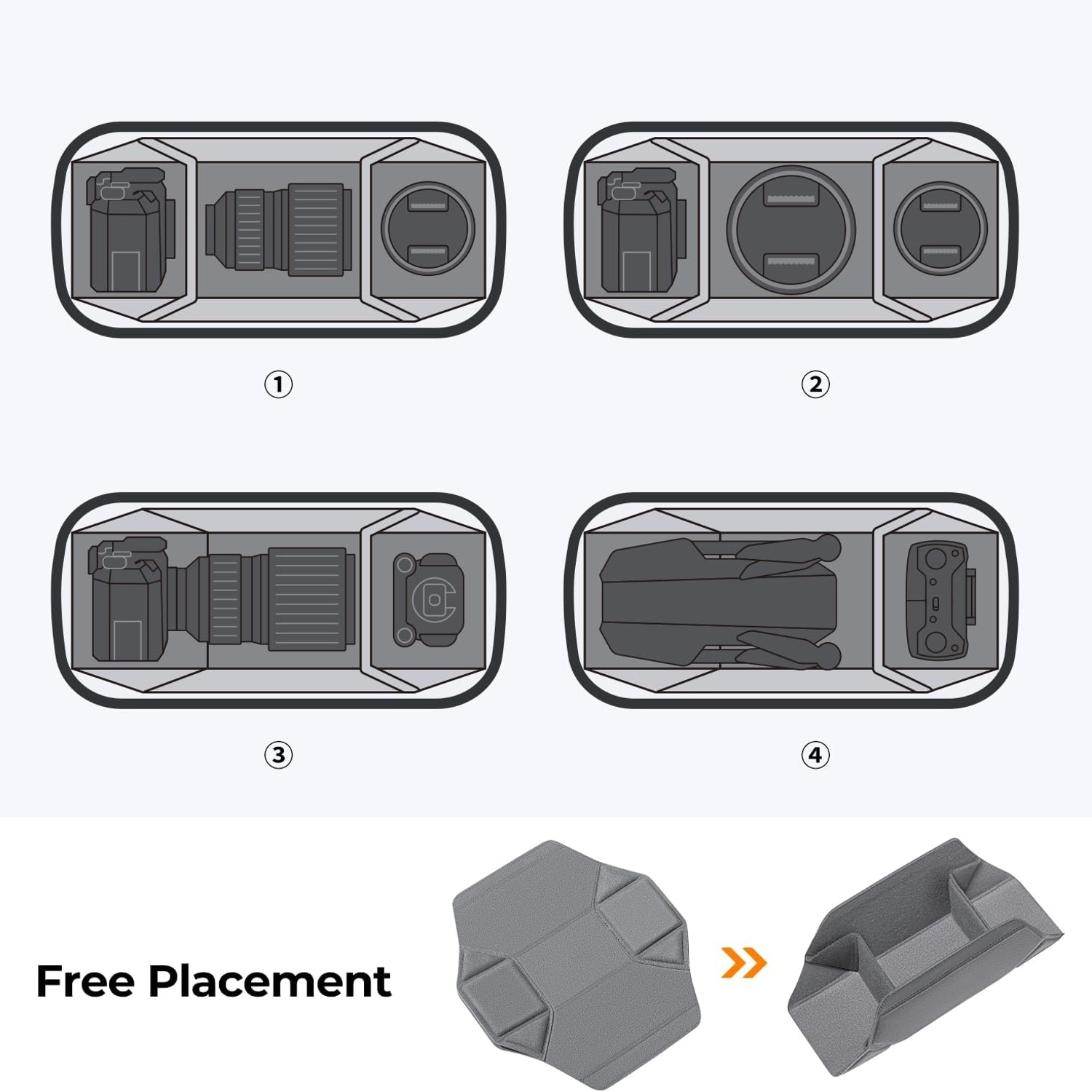
Internal OrganisationAdjustable padded dividers
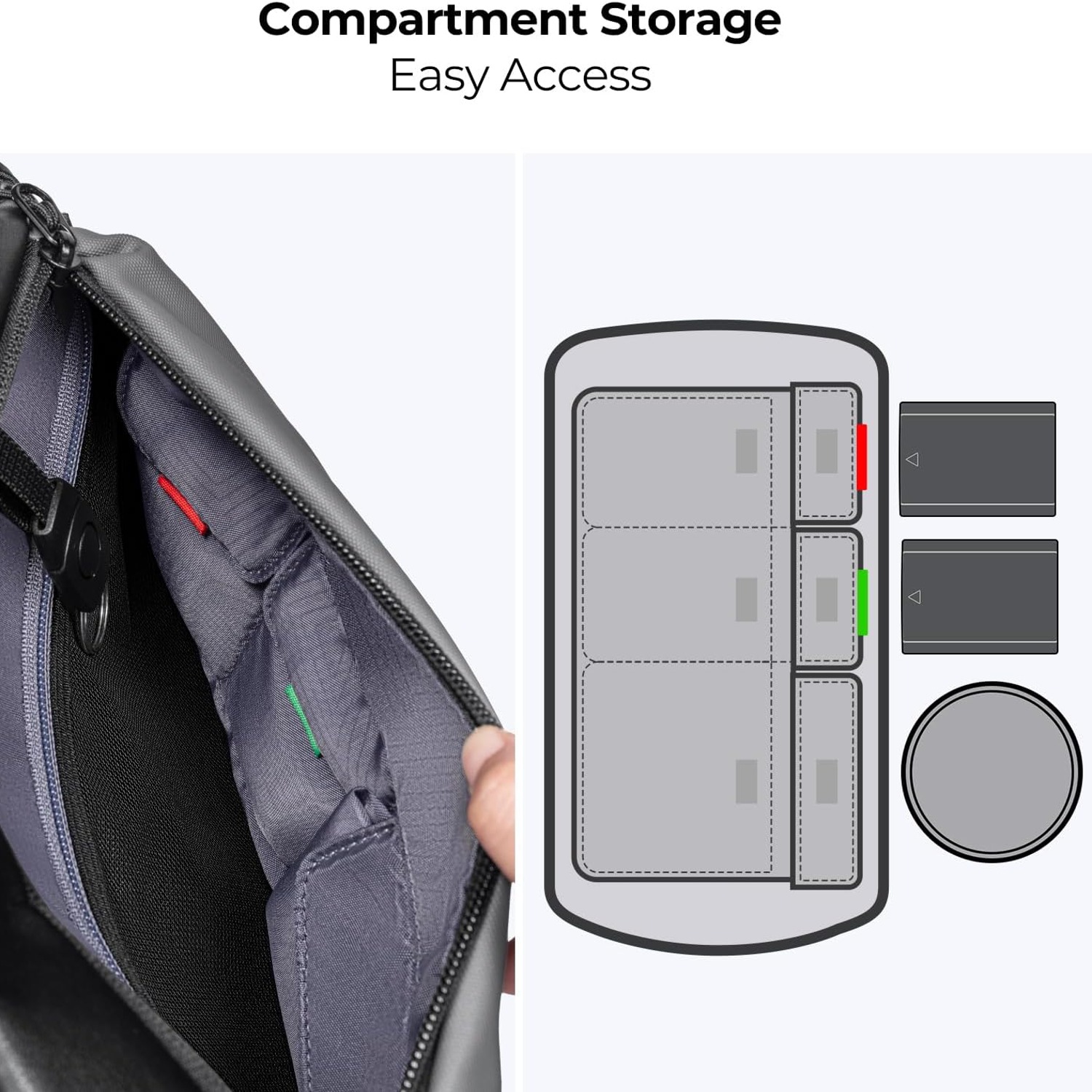
PocketsFront zip, rear zip, internal zip, internal side and open pockets
External AttachmentBase carry straps for tripod or jacket
BrandK&F CONCEPT
Item Model NumberKF3.141-130
Care InstructionsHand Wash Only
Country Of OriginChina
Shipping & returns

Tracked delivery anywhere in New Zealand. It is free on orders of $175 or more, and a flat $20 below that.

If it is not right for you, send it back within 14 days of delivery in resaleable condition and we refund the price you paid, including standard delivery. That is a voluntary policy we offer on top of your legal rights. You cover the cost of returning it unless the item is faulty.

If it arrives faulty, damaged or not as described, we put it right at no cost to you under the Consumer Guarantees Act 1993 and the Fair Trading Act 1986, return postage included.

Shipping details · Refunds and returns

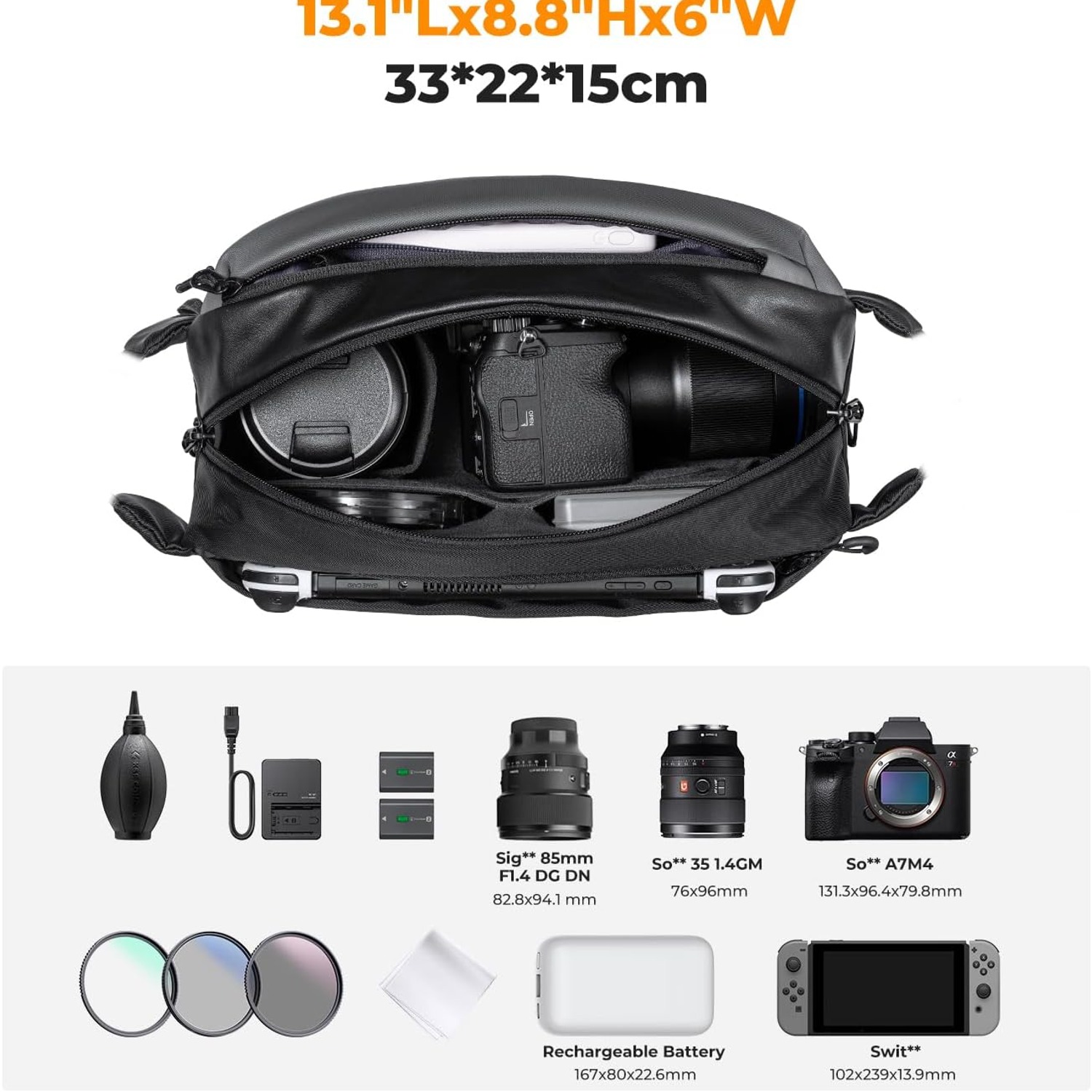
10L Of SpaceRoom for a camera body, a couple of lenses and the small gear you carry daily.
Padded ProtectionShock-absorbing padding and adjustable dividers keep gear from knocking together.
Quick Front SwingSlide the bag round to your chest and reach your camera without taking it off.
Base Carry StrapsExternal straps underneath let you strap on a tripod or a light jacket.

Carry your kit the easy way with a camera sling bag that swings round to your front in one move.

A padded 10L crossbody camera bag with adjustable dividers, zip pockets and external base straps, built to hold a body, a couple of lenses and the small stuff you always need.

A 10L camera sling bag that sits across your back and swings to the front when you need the camera out fast.

Padded walls and movable dividers let you shape the inside around your own body and lens combination.

Front, rear and internal zip pockets keep cards, batteries, filters and keys separated and easy to find.

Straps on the underside carry a tripod or an extra layer so the main compartment stays free for gear.

The adjustable strap means it works as a sling, a shoulder bag or a simple hand carry depending on the day.

10L Camera Sling Bag

Most camera bags make you choose between protection and speed. A backpack guards your gear well but you have to stop, take it off and crouch over it to get the camera out. A plain shoulder bag is quick but offers little padding. This 10L camera sling bag sits in the middle. It rides on your back out of the way, then slides around your side to your chest in one smooth pull so you can open it, lift the camera and shoot.

10L Camera Sling Bag

Inside, padded walls and movable dividers let you set the layout yourself. A typical kit of one body with a lens attached plus a second lens fits comfortably, with the dividers keeping glass from touching glass. Take the dividers out altogether and the compartment becomes one open space, which suits a small drone, a compact kit with a light jacket packed around it, or a day of carrying something that is not camera gear at all.

10L Camera Sling Bag

The small items are where a good crossbody camera bag earns its keep. Zip pockets on the front and back hold a phone, a wallet or a passport. Internal zip and open pockets take spare batteries, memory cards, a lens cloth and a filter case so none of it rolls around loose in the main compartment. Everything has a home, which means fewer frantic searches when the light is doing something interesting.

10L Camera Sling Bag

Underneath the bag sit external carry straps. They take a small travel tripod, a rolled rain shell or a monopod, which keeps bulky items outside and leaves the padded space for your camera. The shoulder strap adjusts over a wide range, so you can wear it high and tight for cycling or long and loose over a winter coat.

10L Camera Sling Bag

As an everyday shoulder bag for camera gear, it also works well when you are not shooting. The shape reads as a normal sling bag rather than obvious photo kit, which is useful on busy streets and public transport. The fabric wipes clean, the zips are easy to work one handed, and the whole thing packs flat enough to slide into a suitcase when the trip is over.

Not sure yet? That is fine.

A camera has to suit the job you bought it for, and you cannot always judge that from a photograph. If it is not right for you, send it back within 14 days of delivery in resaleable condition and we refund the price you paid, including standard delivery. That is a voluntary policy we offer on top of your legal rights.

If it turns up faulty, damaged or not as described, that is on us. The Consumer Guarantees Act 1993 and the Fair Trading Act 1986 covers you, and we pay the return postage. Read the full detail on our refunds and returns page, or ask us anything before you order.

Frequently Asked Questions

What is a camera sling bag?

It is a single-strap bag worn diagonally across the body, with padded compartments inside for camera gear. Unlike a backpack, it slides around to your front so you can open it and lift the camera out while still wearing it. That makes it one of the best camera bag styles for photographers who shoot on the move.

How much gear does this 10L bag hold?

Ten litres of total volume is enough for a camera body with a lens fitted plus a second lens, with room left for batteries, cards and a cloth. The padded dividers split the space so lenses do not knock together. Larger telephoto lenses may need you to rearrange or remove a divider.

Will my mirrorless camera fit?

Most mirrorless bodies with a standard zoom or prime attached fit comfortably in the main compartment. Because the dividers move, you can shape the space around the exact body you own. It is a sensible pick if you are looking for the best mirrorless camera bag for daily carry.

Does a DSLR fit as well?

A standard DSLR body with a kit lens fits in the main compartment. Very large professional bodies with battery grips are a tighter fit and may use most of the space on their own. Measure your camera with the lens attached before ordering if you are unsure.

Can I carry it on my back or only across the front?

Both. It rides across your back while you walk, then slides around to your chest when you want the camera. The strap adjusts so you can set the height that suits your frame and whether you are wearing a coat.

Is the strap adjustable?

Yes, the shoulder strap adjusts over a long range so it works for different body sizes and over bulky clothing. Set it short for cycling or running, and longer if you want the bag to sit low on the hip.

What pockets does it have?

There is a zip pocket on the front, a zip pocket on the back, and inside you get an internal zip pocket, an internal side pocket and an open pocket. That spread means documents, batteries and small accessories all get their own place. The rear pocket is handy for a phone or transit card.

Can I attach a tripod?

Yes, there are carry straps on the underside of the bag made for strapping items like a small travel tripod. Keep the tripod light and compact so the bag stays balanced on your shoulder. A full-size studio tripod is too heavy for this style of carry.

Will a drone fit inside?

If you remove the dividers the main compartment becomes one open padded space, which suits a small folding drone along with its controller. Pack the propellers and spare batteries in the internal pockets. It is worth checking your drone's folded size against the compartment first.

Is the inside padded?

Yes, the compartment has padded walls and padded dividers to absorb knocks and stop gear shifting. The padding is what separates this from a plain canvas shoulder bag. It is not armour, so avoid dropping the bag on hard ground.

Can I remove the dividers?

The dividers are adjustable and can be taken out or repositioned. Leave them in for camera work, take them out when you want one big space for a drone, a packed lunch or a jumper. This flexibility is why it doubles as an everyday shoulder bag for camera gear and general carry.

What is the bag made from?

The shell material is not specified by the maker. The outer fabric wipes clean with a damp cloth, and care is hand wash only. If you need an exact fabric specification, contact us before ordering.

Is it waterproof?

No waterproof rating is stated for this bag, so treat it as water resistant at best. In steady rain, cover it or step under shelter. A light packable rain cover is a cheap addition for anyone who shoots outdoors often.

What colour is it?

The colour is not specified by the maker. Check the product photographs on this page for the version we are shipping. If colour matters for your order, get in touch before you buy.

What are the exact outside dimensions?

Precise external measurements are not listed by the maker, only the 10 litre capacity. If you need exact figures for cabin baggage planning, contact us and we will confirm what we have. We would rather give you nothing than give you a number we cannot stand behind.

How heavy is the empty bag?

The empty weight is not specified by the maker. Sling bags in this size class are generally light enough that your gear, not the bag, sets the load. We will confirm the figure if you ask before ordering.

Is it good for travel?

Yes. The sling shape fits under an arm in crowded places, the rear zip pocket keeps a passport close to your body, and the base straps take a jacket when a plane gets warm. Among the best travel camera bag options it is on the compact end, which is a plus on budget airlines.

Can I use it as a personal item on a flight?

Most airlines allow a bag of this size as a personal item, but allowances vary. Check your carrier's stated dimensions and compare them with the bag before you fly. Keep valuable gear in it rather than in checked luggage.

Is it comfortable to wear for long periods?

Single-strap bags put weight on one shoulder, so comfort depends on how much you load in. With a body and one or two lenses it is fine for a day of walking. If you regularly carry a heavier kit, a two-strap backpack suits better.

Can left-handed people use it comfortably?

Yes. The strap can be worn over either shoulder, so you choose the side the bag sits on and which way it swings forward. Try both directions for a few minutes and keep whichever feels natural when you reach for the camera.

Does it work as a plain shoulder bag?

It does. Wear it on one shoulder, across the body as a messenger bag, or carry it by hand. That versatility makes it one of the best crossbody camera bag choices for people who want one bag for more than photography.

Is it suitable for street photography?

The low profile shape does not shout camera gear, and the quick swing-to-front access means you can have the camera up in a couple of seconds. Those two things matter most for the best camera bag for street photography. Keep the main zip partly open when you expect to shoot often.

How do I clean it?

Hand wash only. Empty the pockets, brush off loose dirt, then wipe the outer fabric with a damp cloth and a small amount of mild soap. Rinse the cloth, wipe again, and air dry fully with the zips open.

Can I machine wash it?

No. Machine washing can damage padding, stitching and zips. Stick to spot cleaning by hand, which handles almost all everyday marks.

How should I store it when not in use?

Store it somewhere dry with the zips slightly open so air can move through. Avoid leaving it packed with damp gear or in a hot car. A loose stuff inside helps the bag keep its shape on a shelf.

Does it come with a rain cover?

No rain cover is listed as included with this bag. Universal rain covers sized for small sling and shoulder bags are widely available and inexpensive. In light showers, tucking the bag under a coat usually does the job.

Will it fit a laptop or tablet?

This bag is built around camera gear and does not list a dedicated laptop sleeve. A small tablet may fit in the main compartment depending on how you set the dividers, but it will take space you would otherwise use for a lens. For regular laptop carry, choose a bag designed for it.

Does it make a good gift for a photographer?

It does. A padded sling is something most photographers end up buying for themselves, and the adjustable dividers mean it works with whatever kit the recipient already owns. It is a practical present for birthdays, Christmas or a first camera.

How long does delivery take?

Orders are picked and dispatched once payment clears, and you get tracking by email as soon as the parcel leaves. Delivery times vary by destination and are shown at checkout for your address. If anything looks delayed, contact us with your order number and we will chase it.

What if it is not right for me?

If the bag does not suit your kit or your shoulders, contact us within the returns window shown on our returns page and we will walk you through it. Keep the bag unused and in its original packaging so it can go back for a refund or exchange. Tell us what did not work and we can usually point you to a better fit from the range.

How To Choose A Camera Sling Bag That Actually Gets Used

6 min read Camera Company

The bag problem every photographer runs into

You buy a camera, then you buy a bag. The first bag is usually either too big or too awkward, and within a few months it lives in a cupboard while the camera rides loose in a tote with a jumper wrapped around it. That is how most people end up with three bags and still nothing they like carrying.

The reason is simple. Camera bags get chosen on storage volume, but they get used or abandoned based on access. If getting the camera out takes four movements and a kneel on the pavement, you stop bothering. The shot goes by and the camera stays packed. A camera sling bag is the design that fixes this particular failure, and the 10L size is the sweet spot for most people who shoot one body and a lens or two.

How a sling bag works

A sling has one strap worn diagonally across the body. The bag rests at your lower back while you walk, so it is out of your way and out of easy reach of anyone behind you. When you want the camera, you grab the bag and pull it forward around your side until it sits on your chest. The strap pivots. The bag ends up in front of you at a comfortable working height, still attached, still secure.

From there you open the main zip, lift the camera out, and shoot. Putting it back is the same in reverse, then one push sends the bag around to your back again. The whole sequence takes a couple of seconds and you never put the bag on the ground. That last point matters more than it sounds. Wet grass, sandy beaches, train station floors and muddy trails are all places you do not want to set a bag down, and all places where good photographs happen.

Inside, this bag uses padded walls and movable dividers. The dividers fasten in place and can be shifted or removed, so you build the layout around your own gear rather than squeezing your gear into somebody else's layout. A body with a lens fitted goes in one section, a spare lens sits beside it, and the divider between them stops glass touching glass when you walk.

Who this size suits

Ten litres is a day-out capacity. It covers a camera body, a second lens, batteries, cards, a cloth, a phone and a wallet. Add a small water bottle or a snack and you are near the limit. That is the right amount for a city walk, a hike, a wedding where you are a guest rather than the hired shooter, or a holiday where photography is part of the day rather than the whole day.

It suits mirrorless shooters especially well, since mirrorless bodies and lenses are compact and two of them leave room to spare. DSLR users with a standard kit also fit fine. Where the size runs out is professional work with multiple bodies, long telephoto lenses or lighting gear. If that is your day job, you want a bigger backpack or a roller case, and perhaps this as a second bag for the days you travel light.

Drone pilots get a bonus. Pull the dividers out and the padded compartment becomes one open space that takes a small folding drone and its controller, with the internal pockets holding spare props and batteries. That makes it one of the best drone sling bag options at this size without being a dedicated drone case.

What to look at when comparing bags

Access first. Ask yourself how many movements it takes to get the camera into your hands. A sling takes two. A backpack takes five or six. Everything else on the spec sheet matters less than this.

Padding and dividers. Padding stops impacts. Dividers stop your own gear damaging itself, which is actually the more common problem. Two lenses rubbing together in a bag for an hour on a bumpy bus does more harm than one small knock. Check that the dividers move and can be removed completely, which this bag's can.

Pocket spread. Count them. This bag has a front zip pocket, a rear zip pocket, an internal zip pocket, an internal side pocket and an internal open pocket. That is enough separation to stop the small-item soup that forms in a single-compartment bag. The rear pocket, flat against your back, is the one to use for a passport or spare cash.

Outside attachment. Base carry straps let you hang a travel tripod or strap a rain shell underneath. This keeps bulky things out of the padded space. Just keep what you attach light, since a sling has one strap and weight hanging low will pull the bag off centre.

Strap range. A strap that only adjusts a little is useless if you are tall, short, or wearing a winter coat. Look for a wide adjustment range so you can set the bag high and tight or low and loose.

Packing it well

Put the heaviest item closest to your body. In a sling that means the camera body sits against the panel that rests on your back, which keeps the load from swinging out when you move. Lenses go in front of it.

Mount the lens you use most on the camera before you pack. Changing lenses on the street is slow and gets dust on your sensor, so plan your lens choice at the door rather than in the field.

Keep batteries and cards in the same pocket every single time. Habit beats searching. Many photographers use one internal pocket for charged batteries and a different one for flat ones, which removes any guesswork later in the day.

Leave a little slack. A bag crammed to bursting is hard to open quickly and hard to zip one handed, and quick access was the whole point.

Caring for it

Care for this bag is hand wash only. For everyday grime, empty the pockets, brush off dry dirt, then wipe the outer fabric with a damp cloth and a little mild soap. Wipe again with a clean damp cloth and leave it open to air dry away from radiators and direct sun. Do not put it in a washing machine or a dryer, since that will flatten padding and stress the stitching.

Zips are the part most likely to fail on any bag, and almost always because of grit. Brush the zip teeth clean now and then, especially after beach or trail days. If a zip starts to drag, a rub with a graphite pencil on the teeth usually frees it up.

Store it dry. A bag put away damp grows a smell that is very hard to remove. Leave the zips slightly open on the shelf so air moves through.

When a sling is the wrong choice

Honesty helps here. All the weight of a sling bag sits on one shoulder. With a light kit that is fine for a full day. With a heavy kit it will start to ache after an hour or two, and no amount of padding changes the physics. If you regularly carry two bodies, a big telephoto and a flash, a backpack spreads that load properly and you will be happier with one.

Slings are also not ideal for long hikes with other gear, since the strap crosses your chest and can fight with a hydration pack or a hip belt. For a day in a city, a market, a festival or a short trail, though, it is hard to beat.

The short version

A camera sling bag solves access, which is the thing that decides whether a bag gets used. Ten litres holds a body, a second lens and the small gear you carry anyway. Padded walls and movable dividers protect the kit and let you set your own layout. Five pockets keep the little things sorted, and the base straps take a tripod or a jacket when you need them.

If your kit is a mirrorless or standard DSLR setup and you want one bag that swings to the front in a second, this is the shape to buy. If you carry professional loads all day, look at a backpack instead and keep a sling like this for the light days.

Browse the shop

Not sure if your kit fits?

Send us a list of your camera body and lenses and we will tell you honestly whether this 10L sling is the right size.

Ask us a question

Page summary

The 10L Camera Sling Bag from K&F CONCEPT (model KF3.141-130) is a crossbody camera bag designed to swing from the back to the chest for quick camera access. It has a 10 litre capacity, padded interior walls, adjustable dividers for separating a camera body and lenses, and multiple pockets including front and rear zip pockets plus internal zip, side and open pockets. External straps on the base can carry a tripod or jacket, and the adjustable strap allows sling, shoulder, messenger or hand carry. Country of origin is China and care is hand wash only. Exact outer dimensions, weight, colour and shell material are not specified by the maker.